Industry
Utilities & Infrastructure
Engineering systems for asset reliability, operational visibility and maintenance control in utilities and infrastructure.
Engineering systems for asset reliability, operational visibility and maintenance control in utilities and infrastructure.
Operational Context
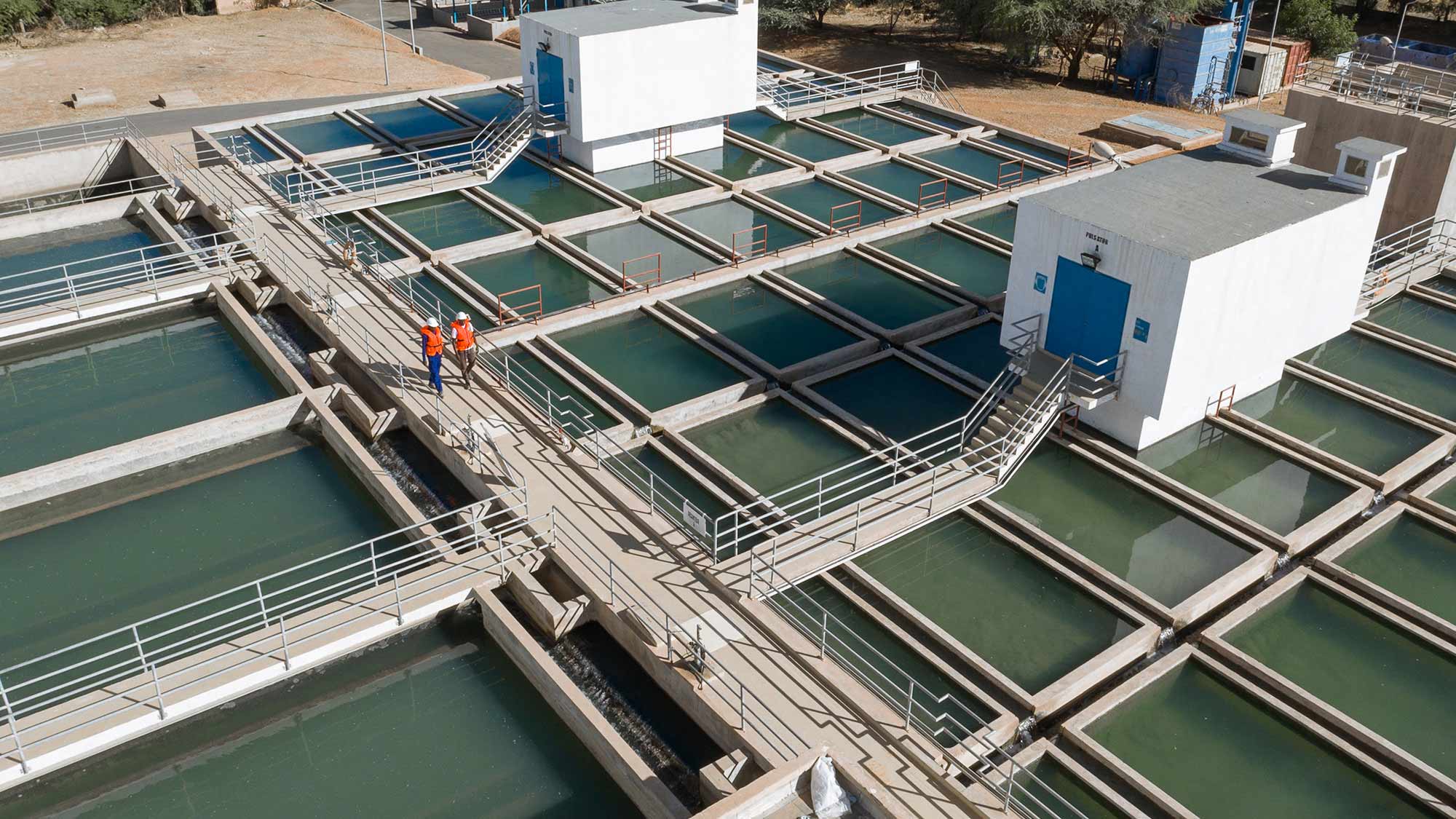
We build practical monitoring systems for distributed assets, hygiene-critical environments and infrastructure where issues stay hidden until they escalate.

Capabilities
EGIDION combines monitoring, field integration and deployment discipline to support technical, maintenance and operations teams working across distributed and inspection-heavy environments.
Biofilm monitoring for water and hygiene-critical systems where early evidence matters.
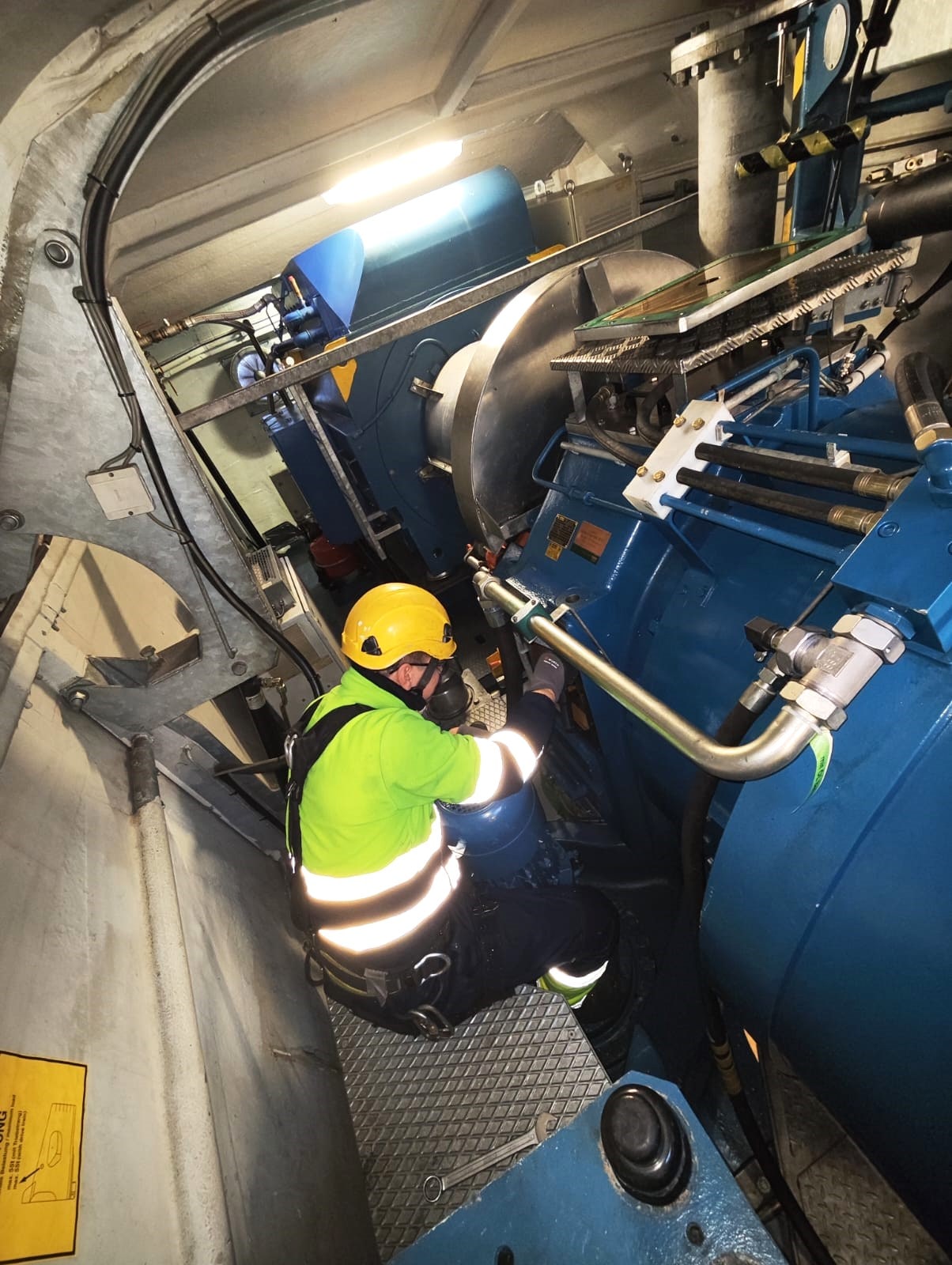
Oil monitoring for pumps, gear systems and mechanical assets where contamination or wear drives failure.
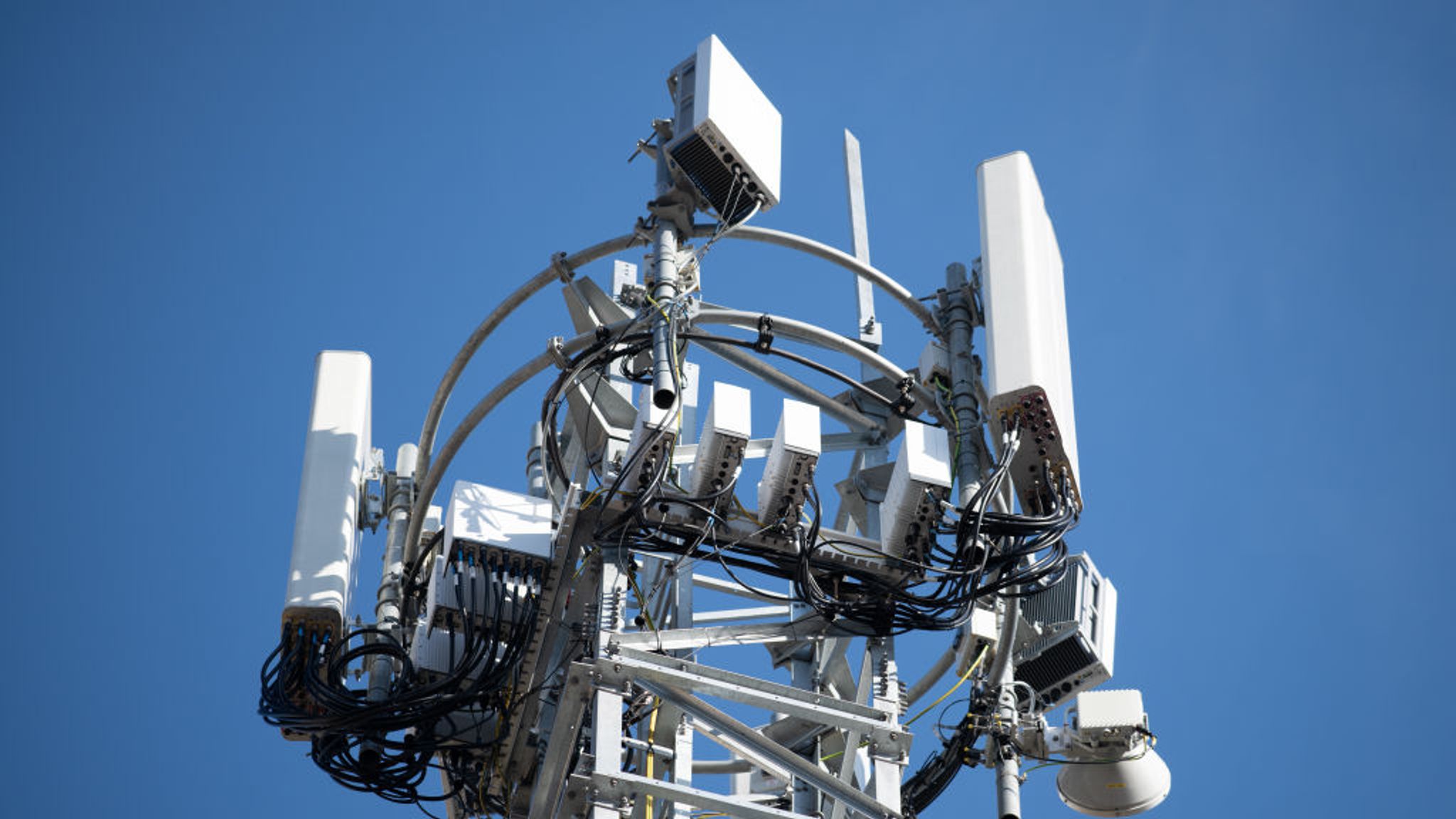
Connected field systems for remote assets, instrumentation and alarm visibility.
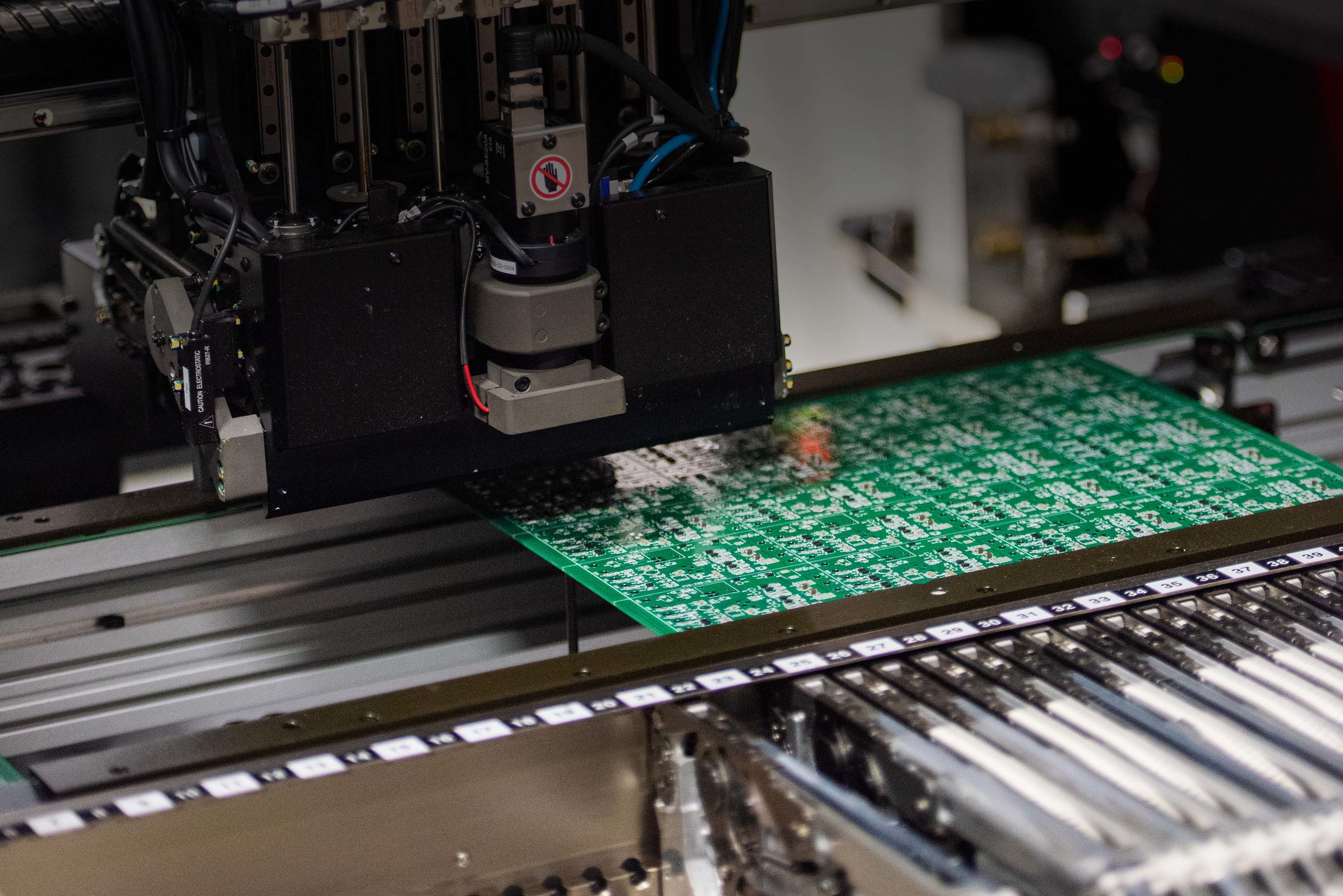
Field-ready hardware and edge devices for distributed infrastructure environments.
Execution
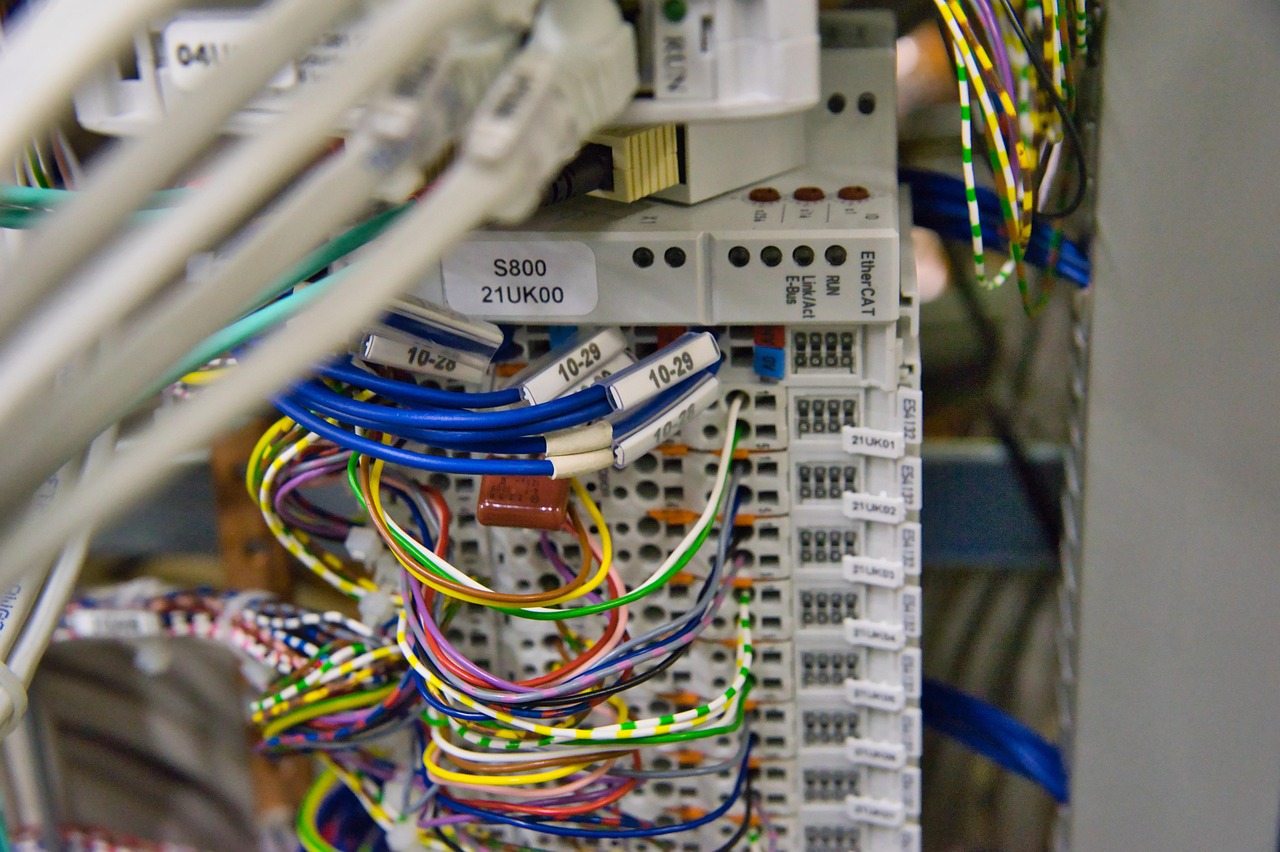
Start from the asset, risk and field constraint, then define the right sensing, connectivity and reporting architecture.
Use Cases
Not every infrastructure asset needs the same level of monitoring, but the business case becomes strong where failure creates service disruption, compliance exposure, difficult inspections or elevated maintenance cost across water systems, pumps, field equipment and other distributed assets.
Biofilm monitoring and related connected systems for applications where bacterial growth, hygiene control and operational evidence matter.
Online oil condition monitoring for lubricated systems where contamination, water ingress or internal wear can lead to progressive damage and unplanned downtime.
Connected monitoring systems for remote or distributed assets, field cabinets, instrumentation and operational equipment that require reliable data collection and alarm visibility.
Industry 4.0 and connected monitoring deployments that start from a clearly defined operational problem and scale into broader infrastructure visibility and maintenance programs.
Business Impact
In utilities and infrastructure, hidden degradation becomes compliance, service and maintenance risk. Better monitoring improves evidence and response.
FAQ
Typical assets include water systems, pumps, gear systems, hydraulic units, distributed field equipment, hygiene-critical environments and other infrastructure assets where reliability, compliance and maintenance visibility are important.
No. Water and hygiene applications are one important area, but EGIDION also supports oil condition monitoring, connected monitoring systems and field integration projects where asset health and operational visibility matter.
Yes. EGIDION can integrate sensors, edge devices and monitoring logic into existing industrial or infrastructure architectures, depending on the communications, control systems and reporting environment already in use.
No. The value depends less on organization size and more on asset criticality, inspection difficulty, compliance exposure and the need for better evidence for maintenance and operational decisions.
Yes. Many projects begin with a clearly defined pilot around a critical asset, hygiene risk or monitoring challenge, then expand once the operational value is proven.
EGIDION provides engineering support, system design, integration and deployment. The objective is to deliver practical systems that fit the operational environment, not just isolated devices or dashboards.