Online Oil Condition Monitoring for Critical Industrial Assets
Online oil condition monitoring for critical lubricated assets, combining sensing, laboratory follow-up and maintenance interpretation.
Why Oil Monitoring Matters
Periodic sampling misses developing problems. Continuous oil monitoring gives earlier visibility of contamination, wear and degradation.
Lubricant monitoring is an indirect way to assess the condition of an asset, but offline sampling and laboratory testing take time to collect, transport and interpret.
Critical operations need earlier warning than periodic sampling alone can provide.
Smart Maintenance
Continuous sensing plus lab follow-up supports condition-based maintenance with earlier trend visibility.
Best fit where access is difficult, operating conditions vary and failure has high uptime or safety cost.
Method
Apply oil monitoring where it improves reliability, access safety and maintenance decisions.
Assess critical assets, failure modes and lubrication circuits before selecting the monitoring method.
Combine online sensing with laboratory analysis instead of treating them as separate methods.
Trend analysis and contextual alerts tied to real operating conditions.
Condition history, alarms and interventions documented in one structured asset record.
Benefits and Use cases
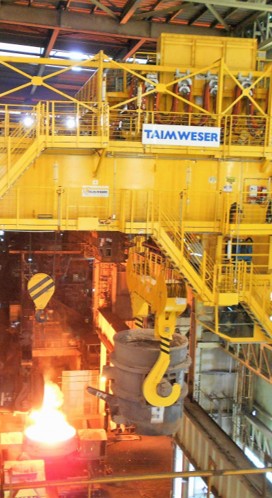
Oil condition monitoring is especially useful where access is difficult, operating conditions vary and a missed failure creates production, safety or compliance risk. It fits naturally into Ports & Maritime Terminals, Heavy Industry & Steel and other asset-intensive operations that need earlier warning than periodic sampling alone.
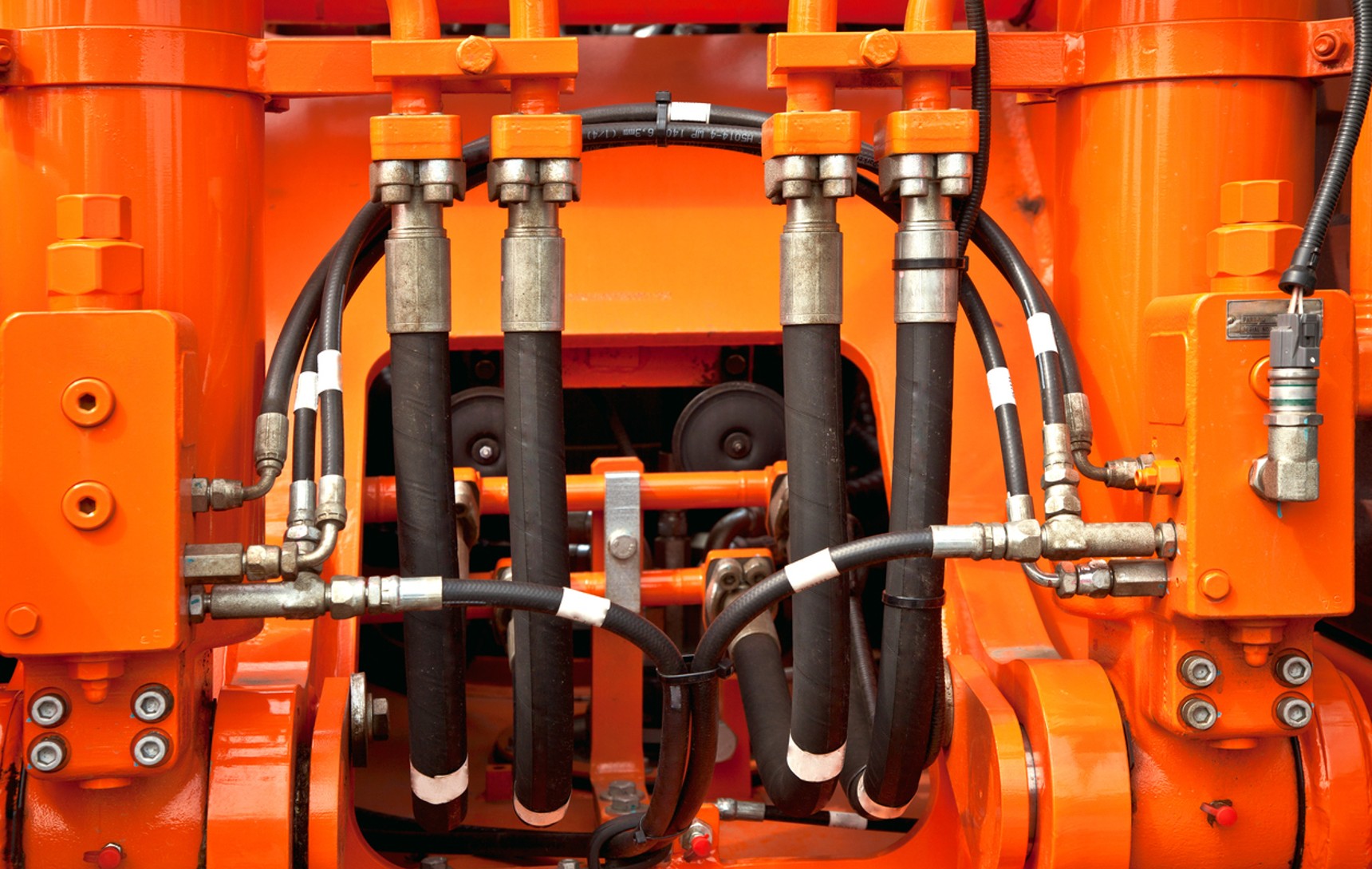
Gearboxes and hydraulics on STS, RTG and MHC cranes benefit from earlier detection of water ingress and wear debris, helping maintenance teams prioritize inspections before unplanned stoppages occur.
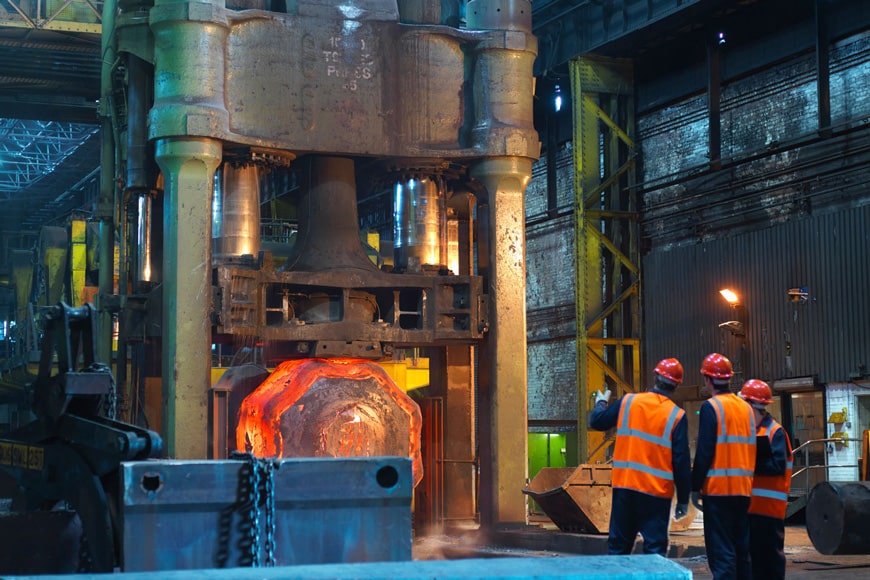
Hydraulic presses, rolling mills and forging machines benefit from continuous visibility of oil quality, temperature and contamination, especially where lubrication failures escalate quickly into mechanical damage.
Reach-stackers, terminal tractors and forklifts rely on healthy lubrication. Online monitoring supports condition-based maintenance with fewer unnecessary oil changes and less dependence on manual checks across distributed fleets.
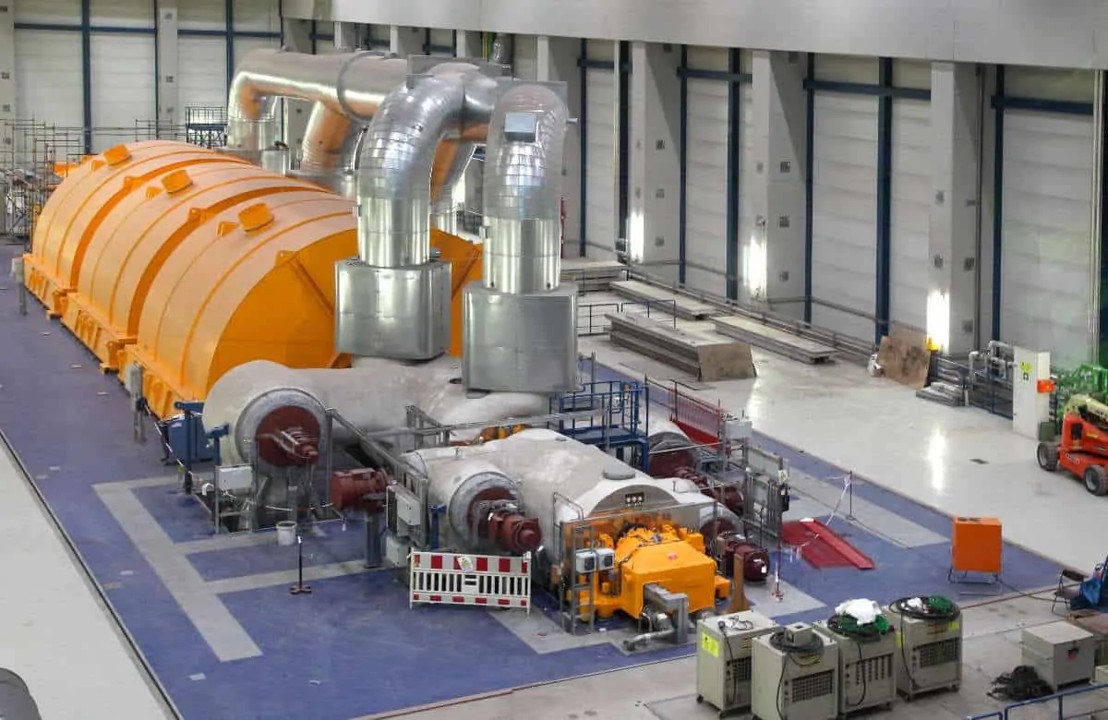
Generators, turbines and pump stations need reliable lubrication under changing load. Trend monitoring improves repeatability and helps teams detect abnormal conditions before shutdown risk grows.
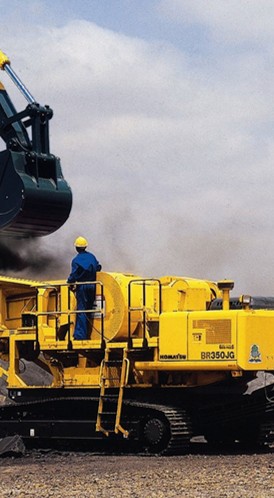
Machines in remote or dusty conditions face high wear and difficult access. Online monitoring reduces physical interventions, supports remote decision-making and provides earlier warning where sampling routes are impractical.
FAQ
Online oil condition monitoring uses in-line or by-pass sensors to continuously track lubricant condition and contamination inside operating equipment, allowing operators to detect abnormal trends before they cause damage or failure.
No. Online monitoring does not replace the laboratory. It reduces dependence on periodic sampling and gives continuous visibility, while laboratory analysis remains useful for deeper root-cause investigation and broader fluid characterization.
Depending on the configuration, online systems can monitor oil quality, viscosity, water contamination or relative humidity, temperature, wear debris, and in some cases particle count, pressure, flow, and vibration.
Because it is always on. It can detect degradation, contamination, and wear earlier, reduce human error, improve correlation with actual operating conditions, and support proactive maintenance rather than delayed response.
Wear debris monitoring detects metallic particles generated by failing components inside gearboxes and other lubricated assets. It can identify developing mechanical faults earlier than some traditional approaches and provide a direct indication of internal wear.
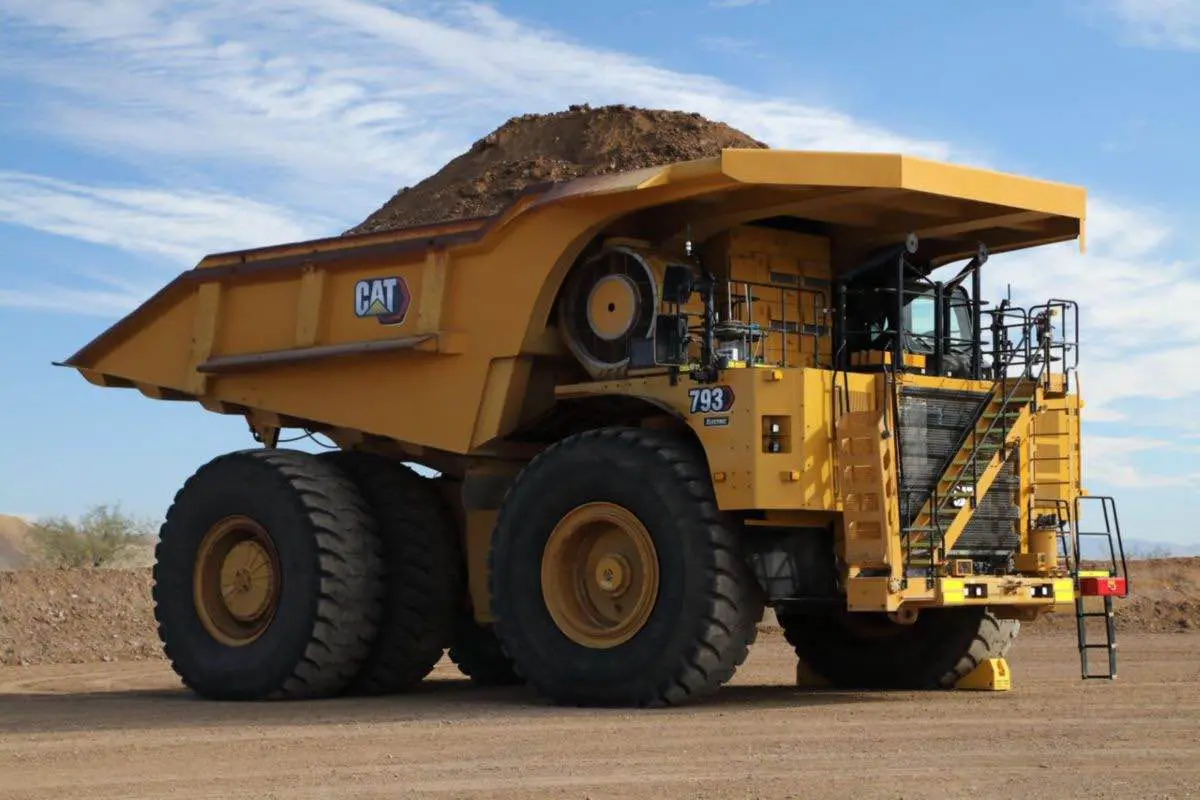
Typical installations include gearboxes, hydraulic units, pumps, compressors, haul trucks, crushers, cranes, wind assets, marine equipment, and other critical lubricated systems. Sensors can often be installed in-line with filtration loops or in by-pass configurations without stopping operations.
Yes. EGIDION can integrate oil condition monitoring with PLC, SCADA, cloud platforms, and industrial communications such as Modbus RTU/TCP, 4–20 mA, and MQTT, depending on the project architecture.
It supports earlier detection, planned maintenance, fewer outages, improved safety, reduced unnecessary site visits, and longer asset life by turning lubricant data into timely maintenance decisions.